
The Logistics Guide to Commercial Vehicle Body Repairs
In the transport and logistics sector, a commercial vehicle off the road is a direct threat to the bottom line. Whether you are operating local Light Commercial Vehicles (LCVs), delivery panel vans, or heavy-duty long-haul freight trucks, vehicle downtime can easily cost more per day in missed deliveries and broken contracts than a typical passenger car costs in an entire year of insurance.
Because commercial assets are both working tools and rolling billboards for your brand, handling accident damage involves a unique operational approach. Squeezing repairs into tight operational windows—and ensuring they are structurally sound—is essential to keeping your fleet moving safely.
Technical Demands of Heavy Vehicle Restoration
Fixing a delivery bakkie or a multi-ton freight truck requires entirely different infrastructure compared to standard passenger car panel beating. When selecting a commercial repairer from our directory, look for facilities equipped to handle these three critical technical pillars:
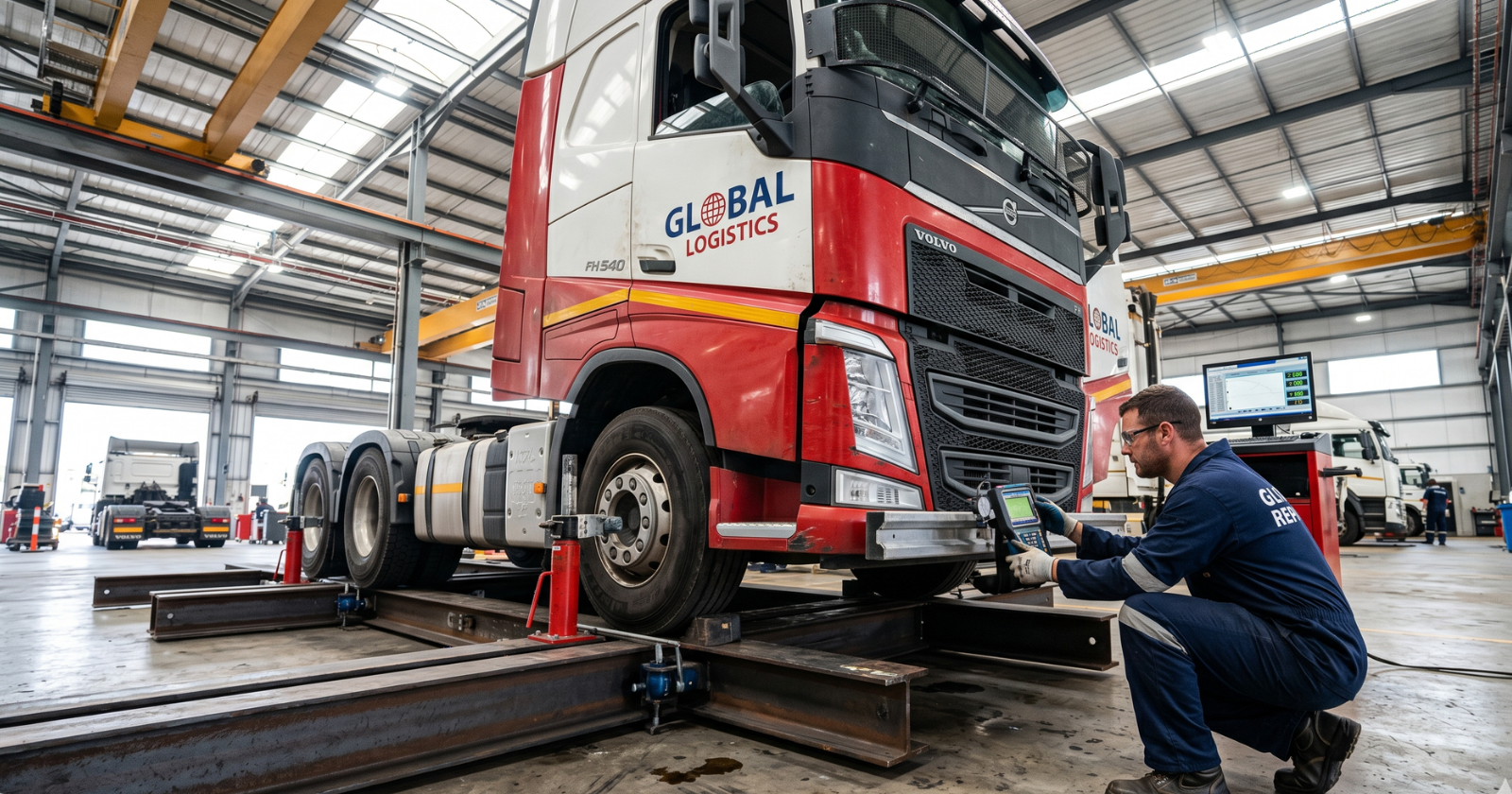
1. Calibrated Heavy-Duty Chassis Racks
The immense forces involved in commercial vehicle accidents can easily warp the massive steel frame rails of a heavy truck. Straightening these frames requires high-capacity hydraulic pulling towers mounted to a dedicated, calibrated chassis bed. Using advanced measuring data, specialists pull the structural steel back into alignment to ensure the vehicle tracks straight, preventing severe tyre wear and dangerous handling issues.
2. High-Capacity Cab and Refinishing Bays
Truck cabs sit high off the ground, meaning standard passenger car spray booths cannot physically accommodate them. Specialized commercial workshops utilize oversized, high-roof downdraft booths designed specifically to fit full-sized truck cabs or elongated high-roof delivery vans, ensuring a dust-free, factory-quality paint application.
3. Decal and Signwriting Coordination
A commercial repair isn't finished until the vehicle matches the rest of your active fleet. Top-tier workshops manage the entire process end-to-end, which includes prepping the freshly painted panels for decal friendliness and coordinating the precise re-application of corporate branding, reflective safety tape, and signwriting before handover.
Commercial Vehicle Repair Price Guide (2026 Benchmarks)
Commercial auto body repairs are calculated based on the physical size of the vehicle, structural material demands, and necessary operational speed. Standard industry bands provide a clear picture for cash and commercial fleet insurance planning:
-
Cosmetic / Single-Panel Work (From R6,500): Applies to isolated damage on a working vehicle, such as a panel van door scuff, a ruined mudguard, an LCV bumper repair, or a single mirror replacement alongside localized decal re-application. These are typically fast-tracked to minimize daily operational disruption.
-
Multi-Panel & Cab Refinishing (From R28,000): Covers more extensive collision damage or full cosmetic refreshes before a vehicle resale. This includes multi-panel panel beating, a full cab respray in a specialized commercial booth, and comprehensive branding restoration.
-
Major Collision & Structural Work (From R85,000+): Reserved for heavy front-end impacts or rollover incidents. This includes structural cab rebuilding, heavy chassis straightening on a calibrated frame rack, and replacing structural components using original manufacturer panels for major marques like MAN, Scania, Mercedes-Benz, or Volvo Trucks.
Why Cutting Corners on Fleet Refinishing Backfires
It can be tempting to choose a cheap, ad-hoc "backyard" operator to quickly patch a working vehicle. However, poor surface preparation and low-grade materials will actively damage your asset's long-term balance sheet value:
| Operational Feature | Accredited Commercial Workshop Standards | Non-Specialist |
| Chassis Alignment | Calibrated heavy racks with digital measurement reports. | Gap-fixing "by eye" with zero structural data tracking. |
| Paint Durability | Industrial, UV-stable commercial finishes (e.g., premium PPG). | Cheap hardware-store enamel that chalks and fades rapidly. |
| Branding Integrity | Decal-friendly surface prep and precise alignment. | Rough decal application over uneven paint surfaces. |
| Downtime Management | Scheduled bays and parts ordered up-front before stripping. | Ad-hoc queueing, leaving the truck parked idle for weeks. |
| Audit Readiness | Itemized tax invoices with full parts numbers for auditors. | Minimal paperwork, causing compliance issues with insurers. |

Be the first to comment!