
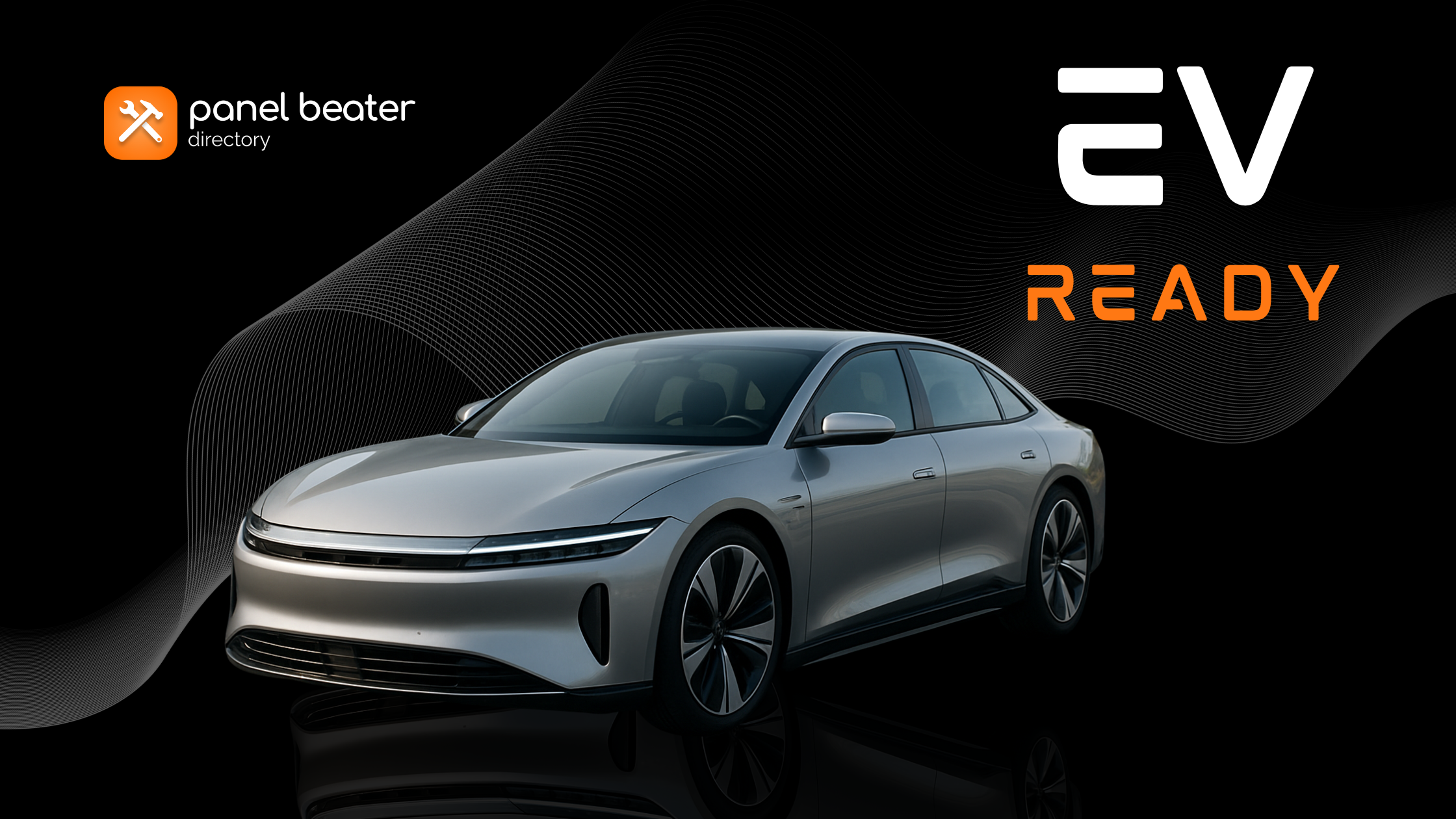
By the numbers: the passenger-EV fleet is still very small. At the end of 2024 there were about 3,543 registered passenger EVs in South Africa (mostly luxury imports), worth roughly R2.8 billion. Analysts expect faster growth as lower-priced models arrive and local policy nudges take effect (GreenCape, 2025).
What’s driving growth
Why many remain cautious
- More EV models are currently entering the market, including more affordable ones. Global and Chinese brands (and local distributors) are launching affordable EVs and hybrids, which widens choice and pushes prices down. Major OEMs are expanding dealer and charging plans within Southern Africa (Reuters,2025).
- Public charging networks are expanding in cities and on highways. ublic chargers increased substantially through 2024–2025, with commercial rollouts and private players adding fast chargers on highways and at malls — making longer trips more practical than before (Auto24, 2025).
- EVs can cost less to run, cut local pollution, and open the door for new manufacturing and battery-sector jobs — and the government’s EV strategy and industry roadmaps are built around supporting that kind of local investment and growth (SANews.gov, 2023).
Why many remain cautious
- Affordability and market skew. Today’s market is skewed to premium imports; most South African households can’t yet afford new EVs without meaningful price reductions or incentives. That keeps mainstream uptake low (Enigneering News, 2024).
- Load-shedding and grid instability make charging less reliable and add hidden costs (generators, batteries, solar systems).
- Charging infrastructure is uneven — good in cities and corridors, weak in rural/smaller towns (!MotoNews, 2025).
- Policy and cost barriers. Import duties, taxes, and a lack of broad consumer incentives have so far limited affordability. The pace and shape of government measures will strongly influence local manufacturing, pricing, and uptake (DTIC, 2025).
Positives for panel beaters
- More EVs means more repair work over time. Even in crashes, the body, paint, glass and alignment work is similar to conventional cars.
- Shops that prepare early — by training staff and getting certified for EV work — can command better rates because not many can do this safely yet.
- Insurers may steer EV repairs to approved repairers, giving steady work to shops with the right skills.
Challenges
- EV repairs require training and investment: high-voltage safety gear, special PPE, battery isolation tools, and fire-safe procedures. That costs money and time.
- Some EVs are modular; after bad crashes insurers sometimes favour replacing big parts (like battery modules) instead of labour-intensive repairs, which can cut hours billed.
- High-tech features (ADAS sensors, cameras, radar) demand calibration tools and expertise.
Sources

Be the first to comment!