
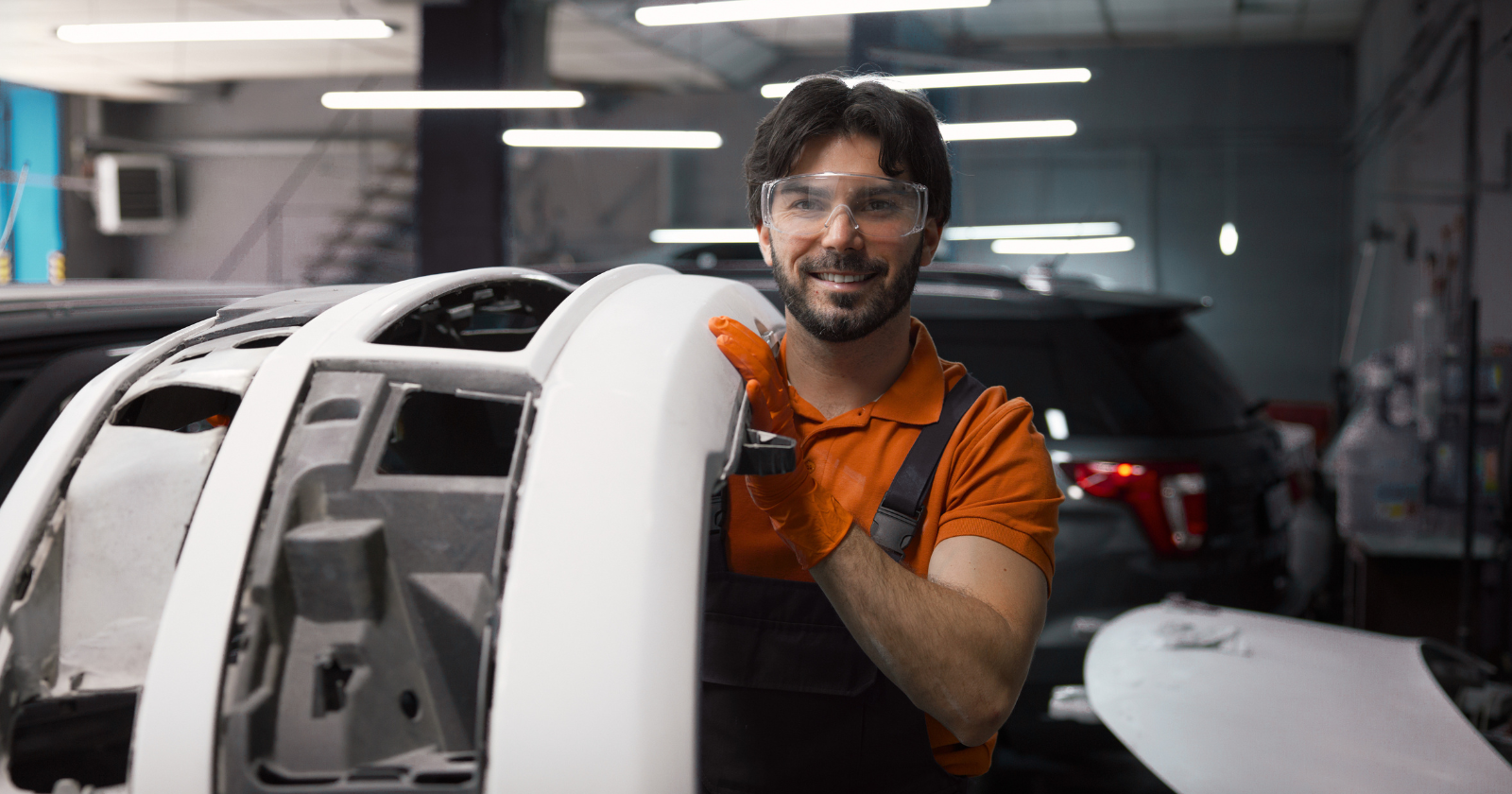
Bumper & Plastic Welding: Stop Paying for Unnecessary Replacements
A cracked bumper or a snapped headlight bracket usually leads to the exact same quote from a dealership: replace the entire unit. But in many cases, modern automotive plastics are designed to be saved.
Instead of throwing away a perfectly good panel, specialized panel beaters use thermal welding and structural adhesives to restore the plastic to its original factory strength. As Southern Africa's most comprehensive Panel Beater Directory, we want to help you understand when plastic welding is the smarter, safer, and more cost-effective route for your vehicle.
How Professional Plastic Welding Works
Modern bumpers aren't just molded plastic shells; they house parking sensors, ADAS tech, and complex internal brackets. When a shop replaces a bumper, you are paying for the imported part, the paint labor, and the electronic recalibration.
Plastic welding skips the new part entirely. Specialists identify the exact plastic compound of your bumper (such as Polypropylene or ABS), carve a V-groove into the crack, and use specialized high-heat nitrogen welders to melt a matching plastic rod directly into the damage. The result isn't a glued-together patch—it’s a permanent, molecular bond.
The Dangers of Cheap "Backyard" Repairs
There is a massive difference between structural plastic welding and someone filling a bumper crack with fiberglass putty and superglue.
-
Vibration Failure: Cheap epoxy and standard body filler cannot flex. The moment you hit a pothole or a speedbump, a sub-standard repair will crack, causing the paint to flake off.
-
Safety Risks: Headlight brackets hold heavy, expensive LED units. If a backyard repair snaps while driving at night, you lose visibility immediately.
-
Resale Value: Shoddy plastic repairs are highly visible to any used car dealer or inspector, driving down the trade-in value of your car.
This is why we stress using SAMBRA or RMI-accredited autobody repairers. Accredited specialists have the equipment to embed stainless steel reinforcing mesh into high-stress areas and use computerized paint mixing to make the final repair completely invisible.
What Components Can Be Safely Welded?
You can save thousands by repairing the following structural plastics:
-
Bumpers: Tears, splits, scuffs, and impact deformations.
-
Headlight Lugs and Brackets: The mounting tabs that frequently snap during minor fender benders.
-
Grilles and Bezels: Intricate trim pieces that are notoriously expensive to buy new from the manufacturer.
-
Motorcycle Fairings: ABS plastic bike components that crack easily during low-speed drops.
Find a Vetted Plastic Welding Specialist Near You
Don't let a minor crack turn into a massive insurance claim or an out-of-pocket nightmare.
Use the Panel Beater Directory to search your specific area in Southern Africa for accredited autobody repairers who specialize in thermal plastic welding and structural adhesives. You get the assurance of safe, verifiable workmanship without the inflated cost of new replacement parts.
Frequently Asked Questions
Is a welded plastic bumper as strong as a new one? Yes. When done correctly using thermal fusion, the welded area is essentially remanufactured. It retains the flexibility required to absorb minor impacts just like the factory original.
Why do some panel beaters refuse to weld my bumper? If the damage severely compromises the crumple zone, or if the plastic is shattered into too many missing pieces, OEM safety guidelines dictate a full replacement. Reputable, accredited shops will never weld a bumper if it compromises vehicle safety.
Will my insurance cover plastic welding? Absolutely. In fact, most major insurance panels in South Africa prefer plastic welding for minor to moderate damages because it keeps claim costs down while maintaining the vehicle's structural integrity.

Be the first to comment!